


|
|
|
|
by Editor Ralph Scylla
Edited and published by Yvette Depaepe, the 4th of November 2026
A Few Thoughts Before We Press Send
Someone took a photograph. You would have taken it differently.
So far, we have established that there are two of you.
A useful comment starts with the next step: examining the photograph closely enough to understand the photographer’s choices and explaining your response clearly enough for the photographer to be able to do something with it.
This article concerns the comments that ordinary members like us write during curation. The Senior Critics offer a more extensive service in the Critique Forum, with detailed discussions and illustrative edits. Our task here is smaller: a photograph appears, we look at it, and we have an opportunity to say something useful.

“Writer” by Matin Hosseini
I should add how much I learn from reading the Critique Forum myself. The Senior Critics give photographs careful attention, explain their responses thoughtfully, and remain courteous throughout. Even when I disagree with an assessment, it often helps me to understand my own response more clearly. While agreement is pleasant, having to think can be rather more useful.
If you are unsure about one of your photographs, I would highly recommend submitting it to the forum. Experienced eyes can help you recognize what needs attention and what you can be confident about keeping. The critics generously offer their time and knowledge. It's an exceptionally generous service — considerably more helpful than staring at your own picture for another evening, hoping it will eventually tell you whether it's any good.
Our shorter curation comments can be useful, too. A few thoughtful sentences are often enough. Nobody needs to submit a doctoral thesis on the top left-hand corner. These suggestions serve as reminders to myself as much as to anyone else. I have occasionally commented with the confidence of someone who had briefly forgotten their own portfolio.
Give the photography a little time

“On Writing” by Dina Belenko
The first impression matters. It tells you where your eye goes, what you feel and whether anything invites you to stay.
But look again.
A small gesture may change the meaning of a portrait. An apparently empty area may give a figure its loneliness. Something you initially considered a distraction may turn out to be the reason the photograph exists.
If possible, view it at a reasonable size. A photograph squeezed onto a phone screen has already made several compromises without being consulted.
Ask yourself: What did I discover on the second look?
If your first impression changes, you have already gained something by waiting.
Consider what the photograph seems to be attempting

“writer’s block” by Richard Otten-Wagener
Photographs may describe, disturb, amuse, seduce or quietly withhold information. Some reveal their subject; others depend on leaving us uncertain.
Our comments become more useful when they respond to that purpose.
A blurred figure might weaken a descriptive portrait. Elsewhere, the blur may carry the whole experience of haste, memory or disappearance.
Before suggesting a change, ask: What would this help the photograph achieve?
Consider any available title or explanation. It may offer a clue, although a title cannot reasonably be expected to do all the heavy lifting.
Where the intention remains uncertain, describe your reading: “The distance between the figures gives me a sense of estrangement.”
That offers something the photographer can consider without requiring you to have solved their inner life.
Explain what works—and what does not

“on Writing” by Raul Pires Coelho
“Wonderful light” is pleasant to receive. “The narrow strip of light gives the face a sense of being briefly revealed” explains what the light contributes.
Critical observations benefit from the same precision.
“The background is distracting” gives a verdict.
“The bright shape beside her face keeps pulling my eye away from her expression” gives an observation the photographer can examine.
They may agree, disagree or decide that the competing attraction is intentional. At least there is now something concrete to consider.
Describe the effect before prescribing the remedy.
Make the praise honest. An opening compliment does not have to be given like a small anaesthetic before an operation.
Find something you genuinely like and explain why.
Separate your taste from your assessment
I tend to like photographs with a little unease in them: an unresolved gesture, an awkward relationship, something that refuses to settle.
This does not oblige every peaceful landscape to develop psychological problems.
We can recognize an accomplished photograph without wanting it on our wall. We can also be fascinated by an imperfect image because something in it feels alive.
“This treatment is not usually to my taste, but the colour relationships seem carefully judged” is a perfectly coherent assessment.
“I would prefer it in black and white” tells the photographer about your preferences. It becomes useful advice when you explain what the conversion might gain—and lose. Personal taste is unavoidable. The useful habit is to notice when it has put on a judge’s robe.
Judge technique by what it contributes

“Writer’s block” by Adrian Donoghue
All aspects of sharpness, exposure, contrast, colour and processing matter. The important question is how these factors affect this particular photograph.
Does the shallow depth of field isolate something meaningful, or remove context we need? Does the deep shadow create tension, or conceal an important gesture?
Does the processing strengthen the atmosphere, or demand its own round of applause?
A technically immaculate photograph may leave us untouched. A grainy or blurred image may stay with us for years. A photograph can also be both beautifully crafted and deeply affecting. There is no need to arrange a divorce between technique and expression.
The same scrutiny applies to fashionable effects. Infrared, intentional camera movement and extreme softness can contribute something wonderful. They still benefit from having a reason to be there.
Judge technique by what it contributes.
Before recommending that every shadow be opened, consider what might escape.
Try the leopard test

by Lucinda Lu
Imagine the leopard is a house cat.
Replace the wolf with a dog.
Exchange the eagle for a pigeon.
Now look again.
Keep the light, framing, gesture, background and timing as similar as your imagination allows. How much of your admiration remains?
This exercise helps distinguish the appeal of the subject from the photographer’s achievement.
An extraordinary animal, a remote location or a spectacular event brings an advantage. Seeing something unusual is a legitimate pleasure. It is simply worth knowing what we are praising.
Are we admiring the photograph—or feeling fortunate that a leopard was available?
The test has limits. Wildness, rarity and environment may be essential to the image. Photographing an animal in its habitat can require knowledge, patience and judgement that the substitution cannot preserve.
But the question remains useful: What has the photographer made of the encounter?
Look for the moment, relationships and choices that turn access into a photograph.
A pigeon deserves the same attentive looking. It has merely suffered from being available without international travel.
Treat composition as relationships, rather than regulations

“Just write” by Dina Belenko
Compositional rules help us notice how a picture is organized. Their usefulness diminishes when we enforce them as parking restrictions.
A centred subject may feel static. It may also feel confrontational, ceremonial, trapped or entirely right.
An empty area may be wasted space. It may be what gives everything else its meaning.
Describe the effect: “The large area above the figure makes her seem very small within the room.”
Then consider whether that effect serves the photograph.
A crop may strengthen an image, but it may also remove atmosphere, ambiguity or an important relationship. Simplifying everything is an excellent way to tidy a cupboard. Photographs occasionally need their complications.
Before relocating the subject to a third, wonder why it was somewhere else.
Offer one useful suggestion

by Lorenz Kort
A curation comment benefits from focus, and the photographer has limited patience. Both are worth remembering.
Choose what matters most and explain it properly.
Suggestions carry trade-offs. Brightening a face may reveal the expression while weakening the sense of concealment. Removing an object may simplify the composition while erasing part of the story.
Keep the advice proportionate, too. “Return to Iceland with a medium-format camera and wait for better weather” is an ambitious travel plan. As assistance with the photograph currently on the screen, it has certain limitations.
Offer a possibility, with a reason for considering it.
The photographer remains free to prefer the original. Your comment does not require a certificate of compliance.
Remember who else is learning

by Angela Waye
Writing a thoughtful comment can improve the judgement of the person writing it.
Explaining why something works takes us beyond “I like it”. Explaining why something troubles us makes us examine our reaction. Sometimes we discover a relationship we had never consciously noticed. Sometimes we discover that our objection was mostly habit.
All of this travels back into our own photography.
Next time, we may notice the bright edge before pressing the shutter. We may recognize when a shadow should remain dark. We may even discover that an attractive subject has been doing rather more of our work than we care to admit.
The leopard test becomes particularly uncomfortable when applied at home.
Whatever points we may earn for contributing, learning to see more clearly is a reward we can keep using.
Critique is a two-way exchange. We help another photographer examine a picture while practicing how to examine our own.
We need not become experts before taking part. We do need to pay attention and be honest about what we can explain.
Read your comment as its recipient

by Heather Bonadio
“In my opinion” is useful. It reminds everyone that a person is offering a response.
It is not a diplomatic passport for everything that follows.
“I find the expression difficult to read because the eyes disappear into shadow” is clear without being hostile. “You must always show the eyes” establishes a universal law with remarkably little paperwork.
Courtesy does not require elaborate padding. Say what you mean, give your reasons and leave room for another interpretation.
Before sending, ask: Have I helped the photographer see something—or merely demonstrated that I would have made a different photograph?
And: Would I welcome this comment beneath one of my own pictures?
The photographer may disagree. They may understand your concern and accept the consequence of their choice. They may have different ambitions for the image.
That is allowed. We are discussing photographs; nobody needs to surrender.
A few sentences written with attention, curiosity and consideration can make curation more useful—and more enjoyable for both people involved.
On some days, I even remember all this before pressing Send.
With thanks to Steven T (1xsteve1x) for his thoughtful observations on critique, several of which helped shape this article.
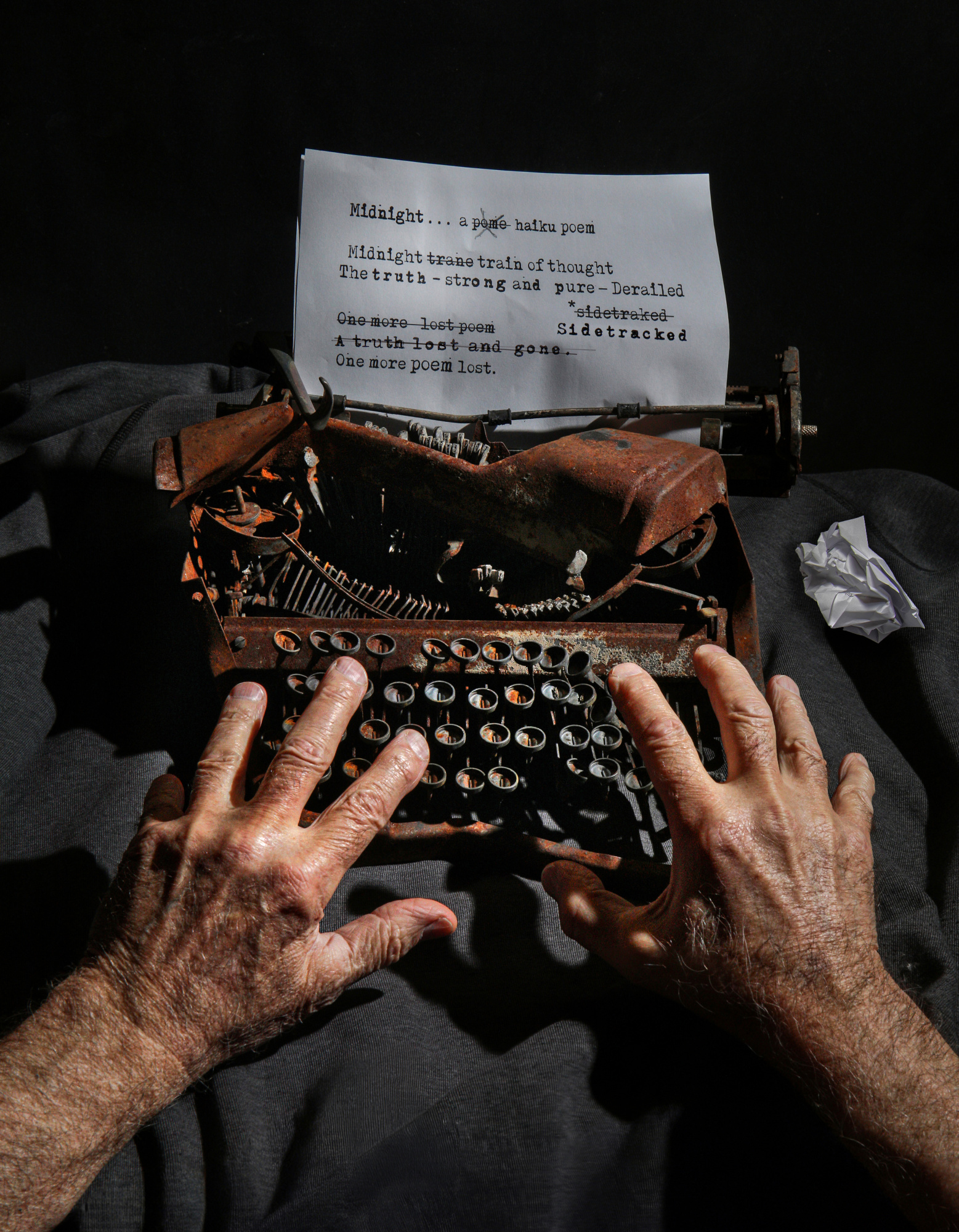
by Steven T
 | Write |
 | Yvette Depaepe CREW Thank you for this most interesting article, Ralph. I hope it will encourage members to write more and better curation comments.
Cheers, Yvette |